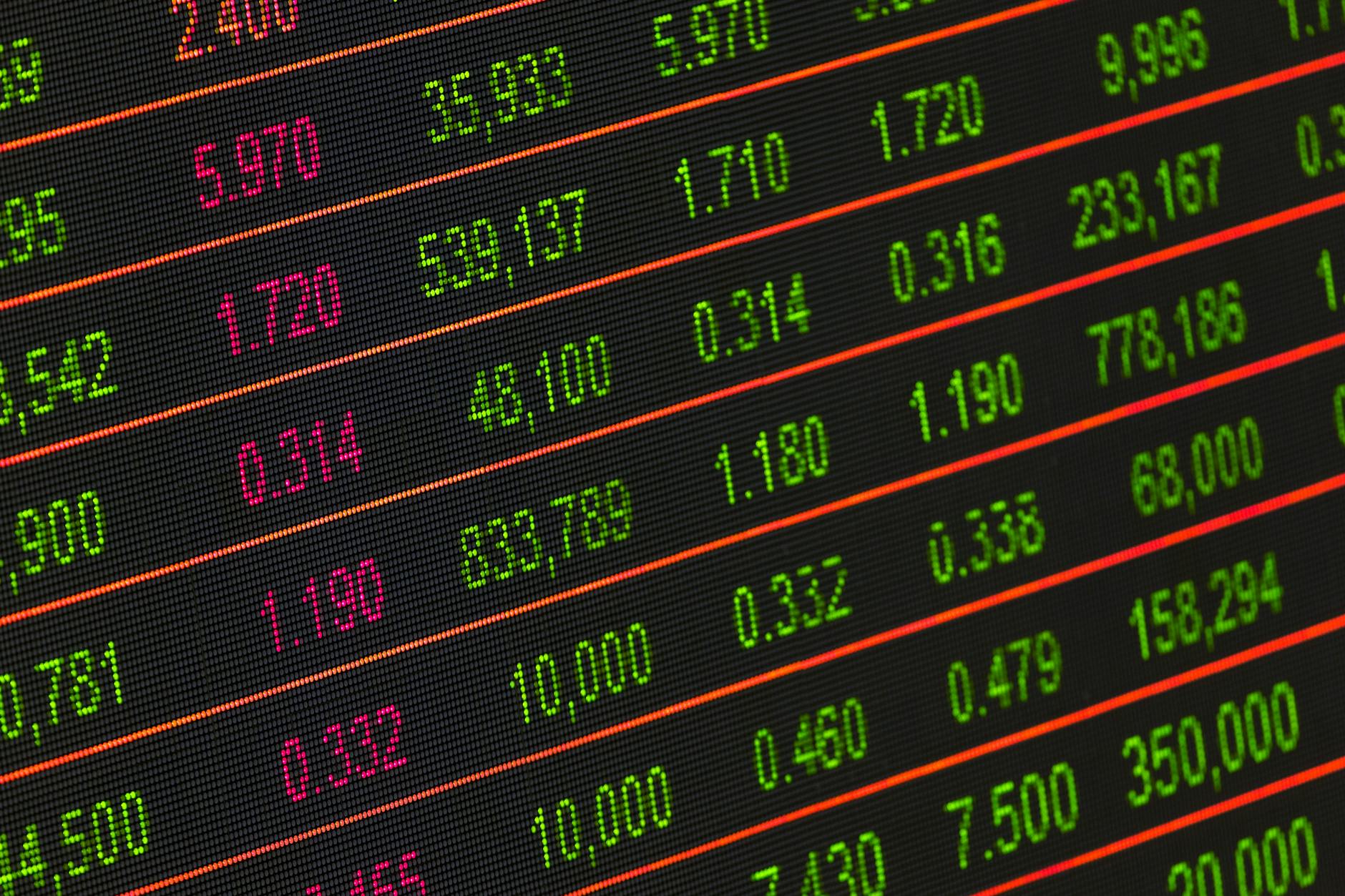
In the middle of the summer, the massive sell-off of stocks and stock products worldwide, caused chain shocks throughout the international economy. However, before analyzing the various reasons why stock markets are in this situation, it is important to understand the broader global context. Structural inflation (excluding energy and food prices which are generally more volatile) remains elevated despite partial decompression seen in some countries. Certain markets, such as housing, are experiencing appreciations and are currently characterized as a bull markets. Inflation persists and impacts bond yields, with central banks adjusting interest rates in response.
In recent months, international analysts have expressed concerns about an impending recession in the U.S. economy driven by labor market data. A possible slowdown in the world’s largest economy could have sharp and negative effects on both European and Asian economies. Ongoing instability —such as the ongoing war in Ukraine, now extending into Russia, and the risk of a direct conflict between Israel and Iran, which could leading to regional war and affect oil prices- continues to fuel unfavorable forecasts of recession and mass stock sell-offs.
During periods of volatility, investors often liquidate their stock portfolios in favor of bonds, which offer better returns with lower risk. Furthermore, the continued increase in the price of gold over the past two years, along with rising interest in gold futures, reflects the turbulent global climate. Gold serves as a safe haven during times of geopolitical tension and economic instability, offering a guarantee of investment stability.
Another key factor markets are watching is the outcome of the U.S. election. While an assassination attempt against Donald Trump initially boosted his profile, Kamala Harris, who is continuing her campaign in the Democratic primary, has narrowed the poll gap with President Biden.
The recent mass sell-off of stocks, including shares of well-known tech giants, is not significantly different from similar past events, some of which had longer durations and broader impacts on the stock market (affecting not only stocks but also mutual funds, future contracts, ETFs, etc.). It’s important to note that technology stocks carry significant risk for investors since many of these companies are valued based on future contracts, not current capitalization. Investors’ confidence in these companies is therefore based on anticipated future profits rather than current revenues.. Rising bond yields make high-growth stocks, such as those in technology companies, less attractive to investors as their future cash flows are discounted at higher rates.
What is clear is that during any massive sell-off, investors are influenced by important macroeconomic indicators, particularly interest rates. Accurately predicting when and how quickly such sell-offs will occur is difficult, as psychological factors also come into play in market behavior. Indices such as the S&P 500, Nasdaq 100 can lose significant value during this periods, but they often correct technically in the following weeks as investor confidence gradually returns. The 2018 trade war between U.S. and China created volatility and turmoil, leading to a massive sell-off of stocks in international markets. Each period, introduces one or more variables that dramatically shift the investment landscape. Central banks closely monitor inflation and adjust interest rates accordingly. Some stocks and sectors are more exposed to economic cycles than others which is why we often see indices or shares appreciating significantly after stock market downturns.
In summary, global financial markets are characterized by volatility, exacerbated by macroeconomic and geopolitical factors. In early August, Japan became the center of market turmoil when its central bank’s decision to tighten monetary policy led to an appreciation of the yen against the U.S. dollar, prompting funds to liquidate assets financed by low-interest loans. Concerns about a U.S. recession and the appreciation in the Japanese yen were key drives off the stock sell-off.
If there is one lesson to take from the global financial crisis of 2007, it is the deep interconnection of financial markets and the rapid spread of information due to technology. Investment decisions are influenced not only by economic indicators but also by psychological factors parameters such as fear of recession and general uncertainty in markets.
Efstathios Kassios
https://substack.com/@skassios


Leave a Reply